
Ireland & Argentina
Two shores.
So many stories.
An ocean between us, and lives that connect us. Follow the journeys from Irish towns and farms to Buenos Aires, the pampas, the playing field and the tango orchestra.
Follow the thread01 · Buenos Aires & beyond
New roots.
Remembered places.
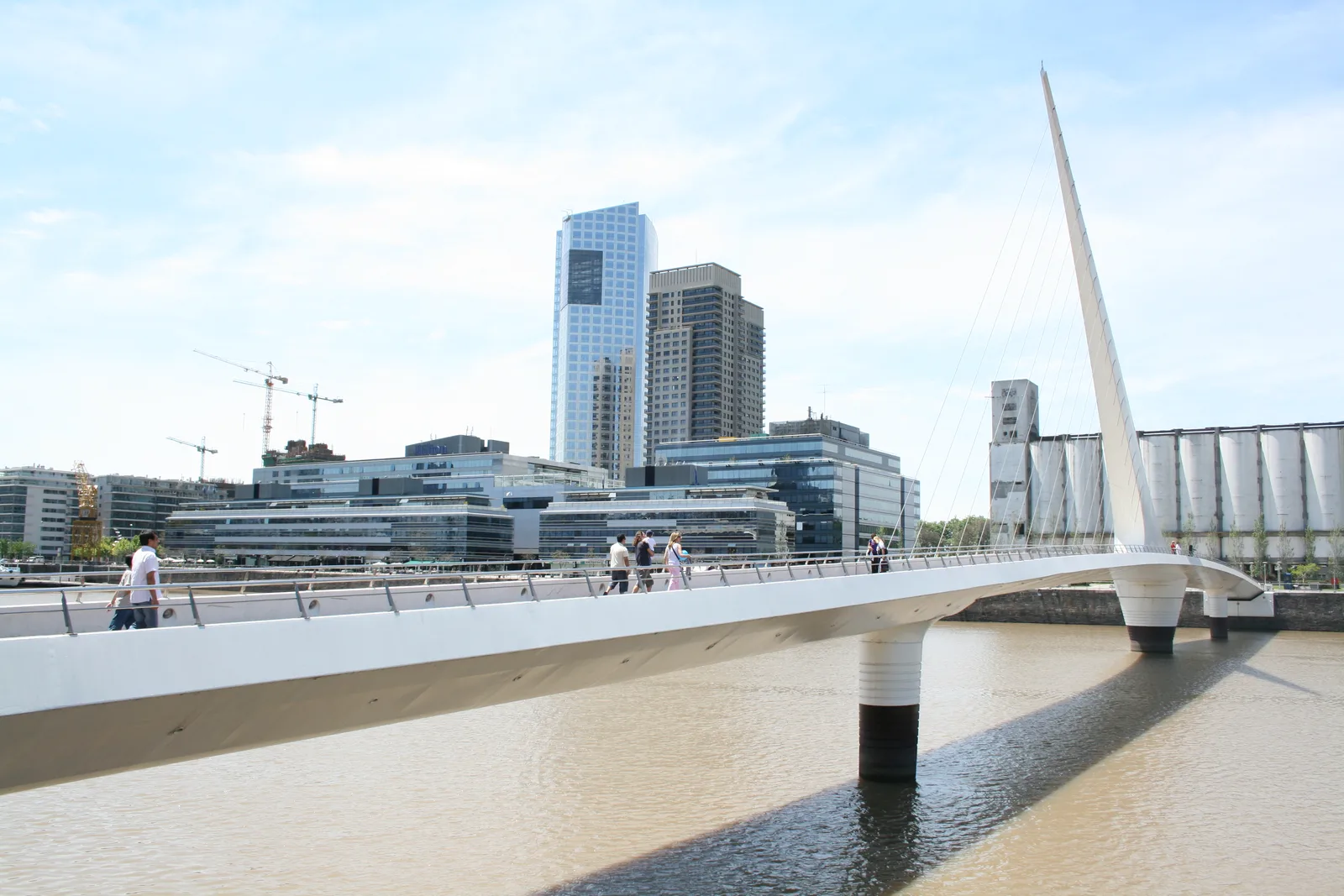
The Irish story in Argentina reaches beyond a famous name or a single arrival. It is a story of families, work, letters and the communities people built around them.
In the nineteenth century, Buenos Aires and the countryside around it became a destination for people leaving counties including Westmeath, Longford, Offaly and Wexford. Between the 1840s and 1880s, family connections, letters and opportunities in sheep farming helped bring further migrants across the Atlantic.
Some acquired land and prospered; others worked as shepherds, labourers or ranch hands. The city and the pampas formed parts of the same network. Schools, churches, newspapers and clubs helped people stay connected while a distinct Irish-Argentine identity took shape.
That story continues in Buenos Aires and its wider province today, through community gatherings, family histories and the games and music people choose to share.
Foxford, Mayo → Buenos Aires
A Mayo childhood. An Argentine admiral.
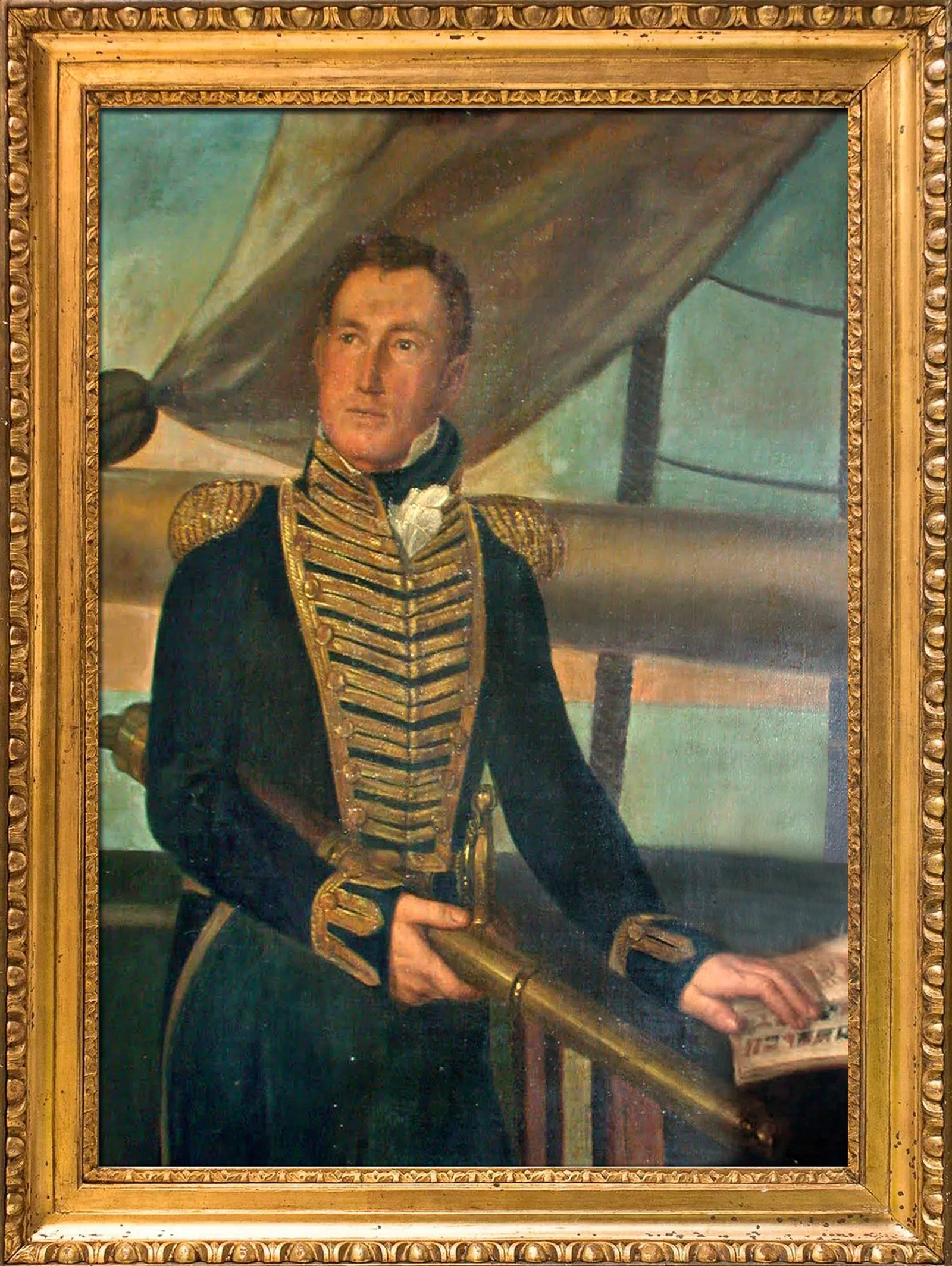
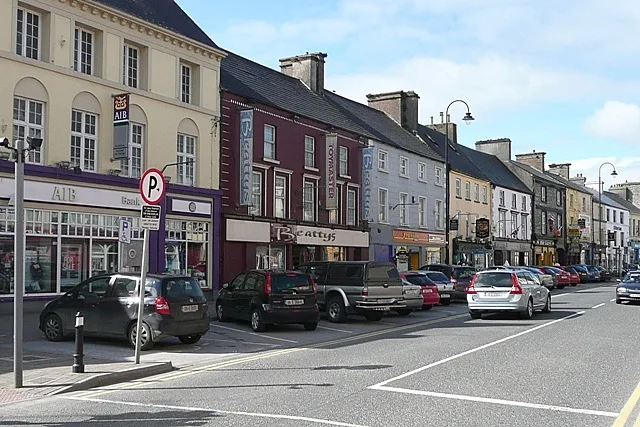
William Brown was born in Foxford in 1777. A life at sea eventually brought him to Buenos Aires, where he settled in 1811. In 1814 he took command of a patriot squadron and helped break Spanish naval power on the Río de la Plata. Argentina remembers him as its first admiral-in-chief.
His story also turns back towards home. In 1847 he returned to Ireland, looking for relatives in Mayo, and encountered the devastation of the Famine. Brown died in Buenos Aires in 1857. Standing in Foxford, we can follow a local life into a much larger history, without losing sight of the place where it began.
Explore the Foxford idea in MayoLoughrea, Galway → Buenos Aires & the pampas
Helping people begin again.
Anthony Dominic Fahy arrived in Buenos Aires on 11 January 1844, his thirty-ninth birthday. The Dominican priest from Loughrea became a point of contact for Irish newcomers finding their way in an unfamiliar country. His work reached beyond the church into employment, practical advice and the networks that helped families settle.
An infirmary opened in 1848; schools, chaplains and the Sisters of Mercy formed part of the wider support network. His story gives our Galway ideas a human connection to Argentina: the work of welcoming people, helping them find their feet and keeping a community together across distance.
Explore the Loughrea ideas in GalwayBuenos Aires · A community in print
News from home. A voice of their own.
For emigrants, a newspaper could carry news from Ireland, local announcements and the everyday business of belonging. Galway-born Patrick Joseph Dillon founded The Southern Cross in Buenos Aires; its first issue appeared on 16 January 1875.
Across generations it became a place for an Irish-Argentine community to tell its own story. Its 2026 anniversary edition still shares news of community gatherings, including at Instituto Fahy. These connections live in institutions and friendships as well as in monuments and family names.
Offaly → Argentina → Ireland by bicycle
A writer with two places to call home.
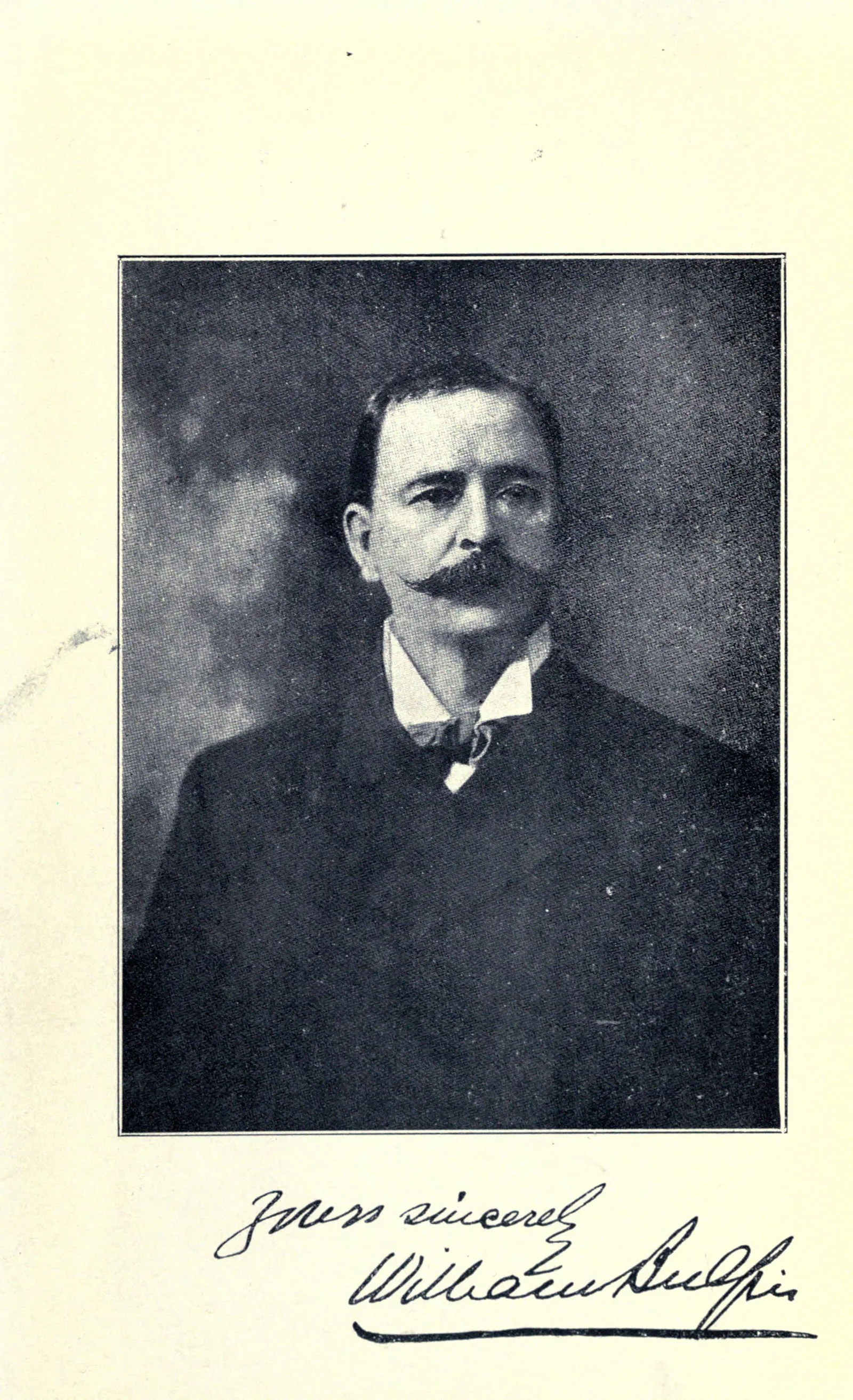
William Bulfin left Offaly for Argentina in 1884, worked on a sheep farm and later edited The Southern Cross. Tales of the Pampas, published in 1900, drew on the world he had encountered there. His journeys around Ireland by bicycle became Rambles in Éirinn in 1907.
Read together, the books offer two directions of travel: an Irish emigrant observing Argentina, then looking closely at Ireland again. His writing carries the romantic nationalism of its time, but the question still feels familiar: what do you notice about home after you have lived somewhere else? Bulfin also appears in the early story of organised hurling in Buenos Aires.
06 · The games crossed the ocean too
A hurley.
A football.
A place to belong.
A club can keep a connection alive long after the first generation has arrived.
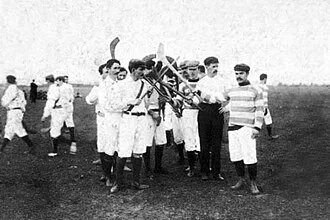
The GAA’s historical account traces references to hurling in Argentina to 1887 and organised play in Buenos Aires to 1900, with William Bulfin among its early champions. The federation behind today’s Hurling Club dates from 1922; its home in Hurlingham, in Greater Buenos Aires, opened in 1948.
The games’ fortunes changed with the times. World wars disrupted supplies of hurleys from Ireland; later visits, coaching and renewed links helped Gaelic games grow again. The club became a social home as well as a sporting one.
Gaelic football is part of that living story too. The GAA’s 2026 World Games listings include men’s and women’s teams from Argentina. The connection is carried forward by players taking the field today, alongside the history remembered by earlier generations.
Meet Hurling Club07 · The music that brings us together
Rice Treacy.
On stage, Carlos Viván.
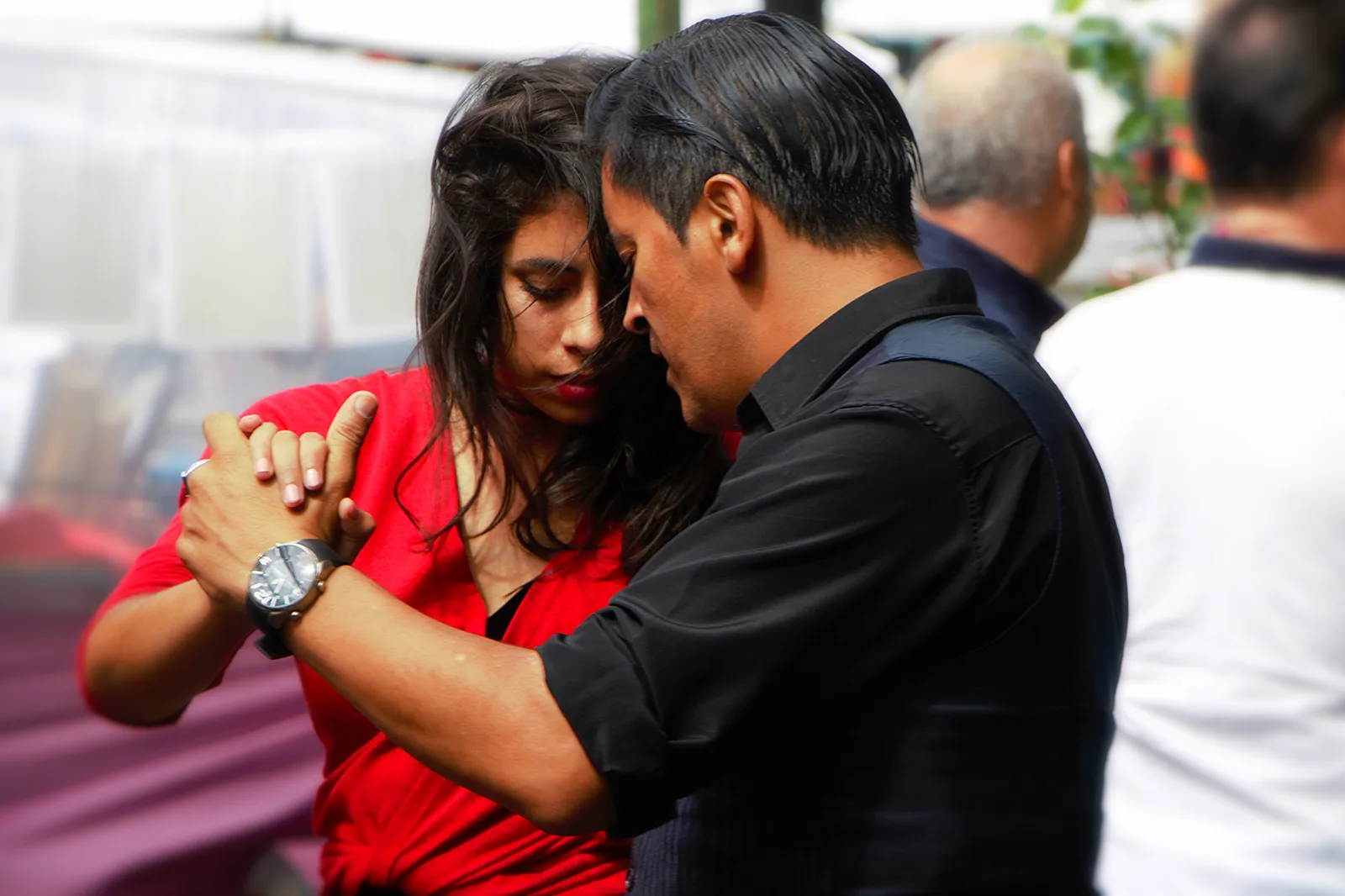
There is an Irish-family story inside tango itself.
Carlos Viván was born Miguel Rice Treacy in Buenos Aires in 1903, into an Irish family. Known as El irlandesito, he became a tango singer and composer, making his first recordings in 1927 and working with leading orchestras. His compositions include Cómo se pianta la vida and the music for Moneda de cobre.
His life is one thread in a much broader tradition. Tango developed in Buenos Aires and Montevideo through the meeting of European immigrant, African-descended and local criollo communities. UNESCO recognised that shared Argentine–Uruguayan heritage in 2009.
For a group brought together by tango, these are lovely connections to follow: a familiar sound, an unfamiliar family story, and another reason to listen closely.
Bring the stories back to the landscape
Choose a thread.
See where it takes you.
Keep exploring the people, places and folklore of all six counties. Follow Brown’s Mayo and Fahy’s Galway connections, or find another story that catches your imagination.
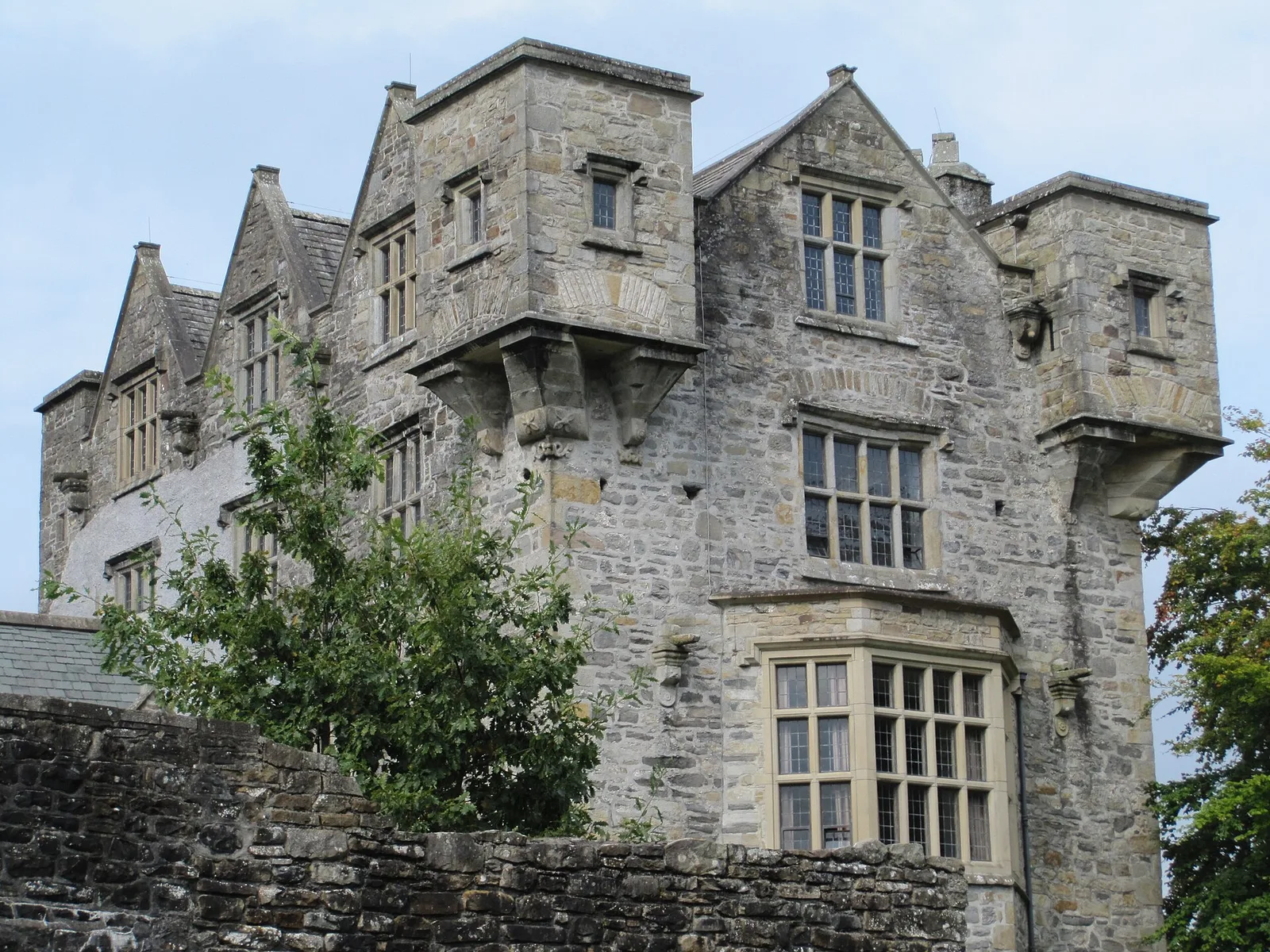
Donegal
A castle, a loom, a living tradition
Donegal Castle, the craft of tweed and the music carried from one generation to the next.
Explore the county’s stories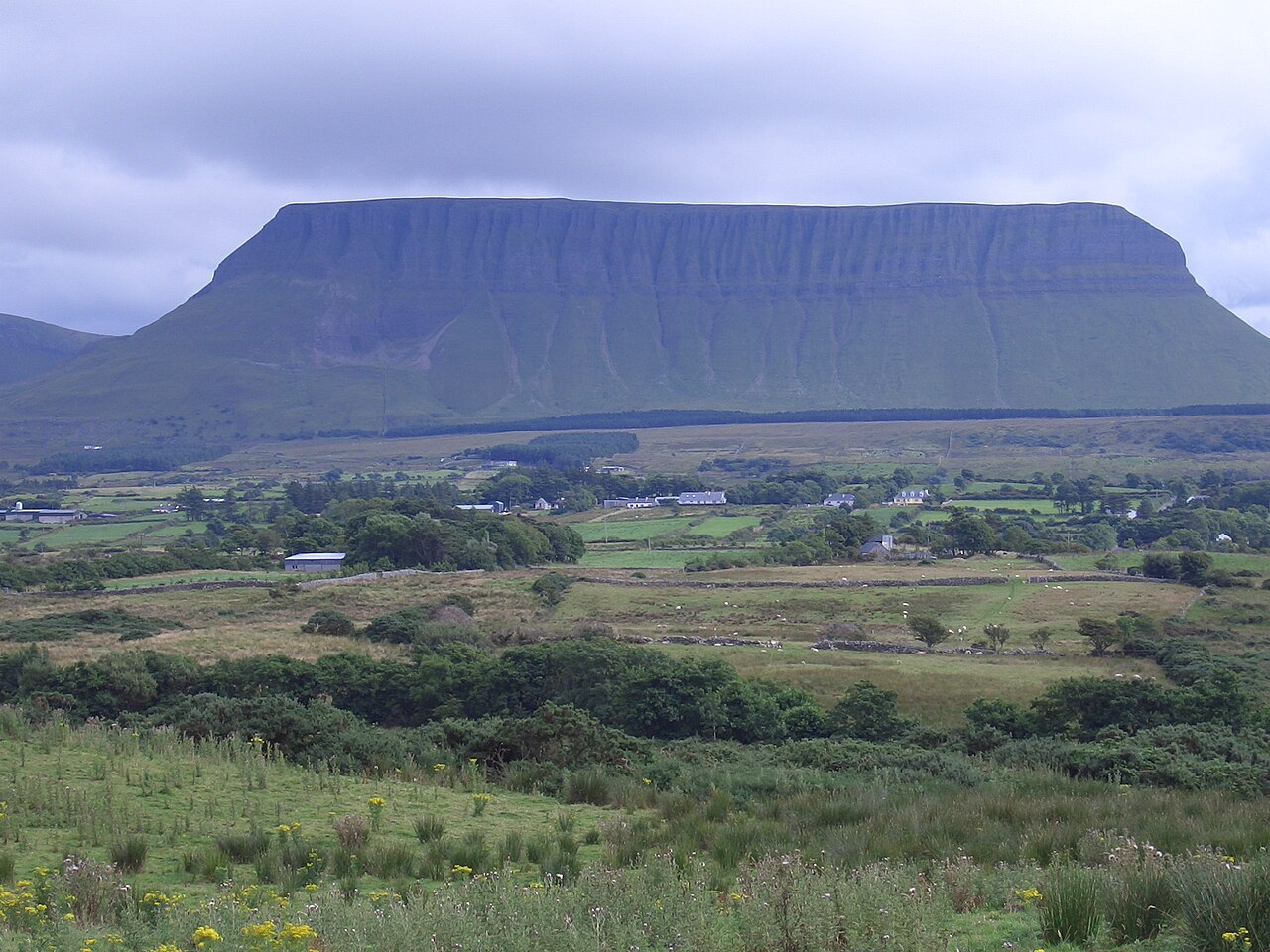
Sligo
A landscape carried into words and colour
Yeats, the Niland Collection and the stories held by a landscape.
Explore the county’s stories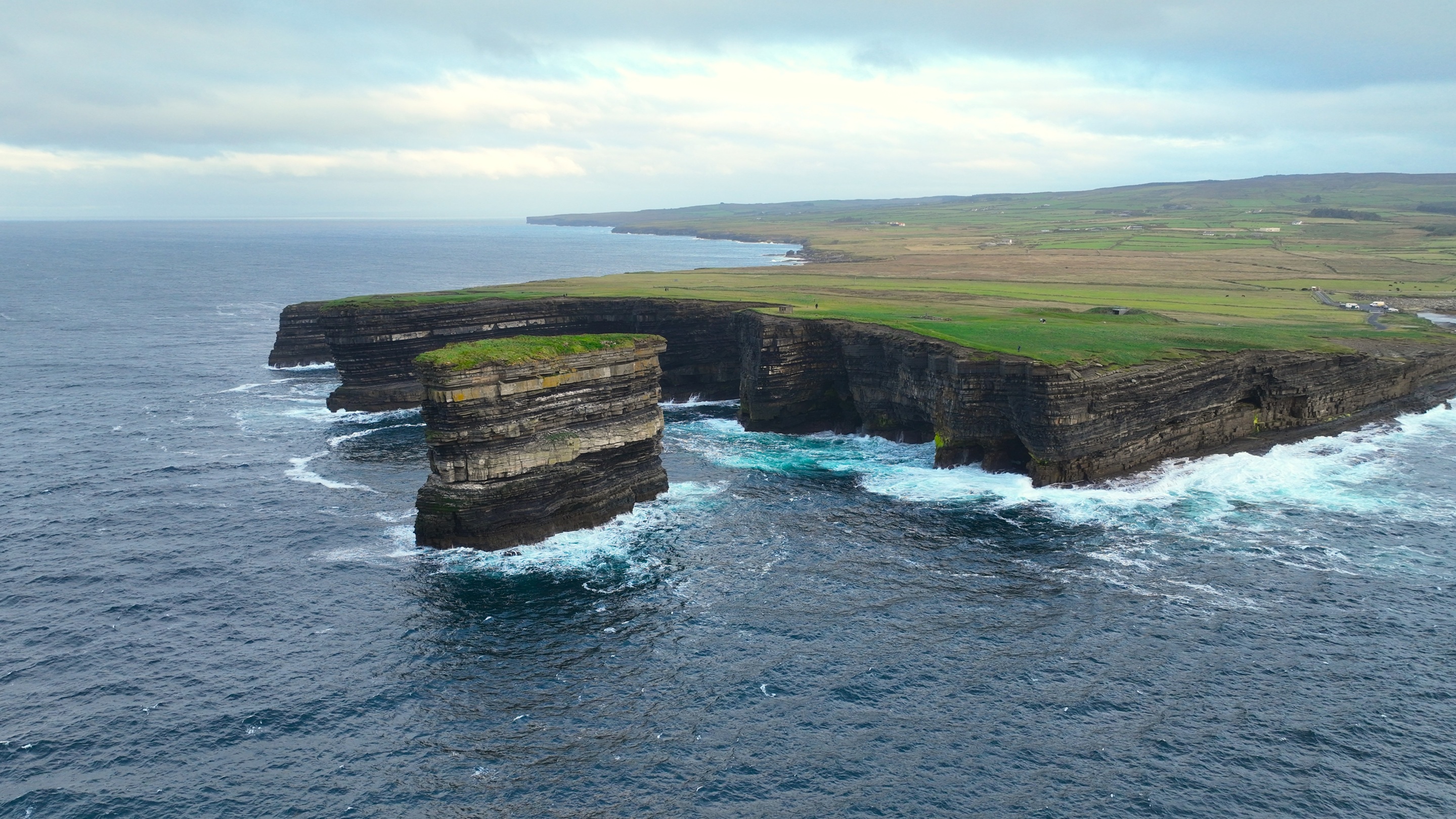
Mayo
From Gráinne’s shore to Brown’s ocean
Clew Bay’s sea captain, Foxford’s Argentine connection and the ancient North Mayo coast.
Explore the county’s stories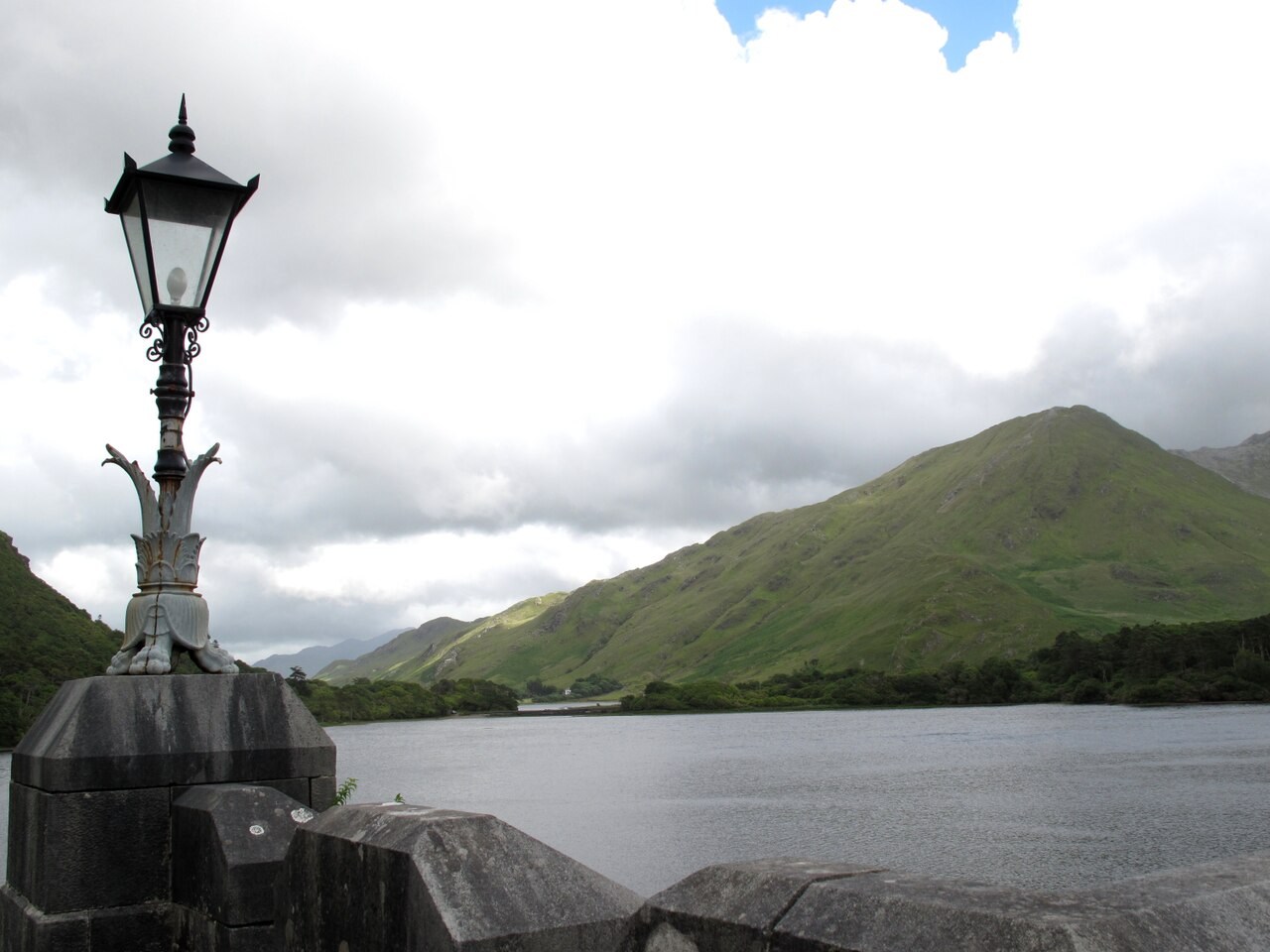
Galway
A Connemara tale. A Loughrea connection.
Kylemore’s folklore and Fahy’s life supporting Irish newcomers in Argentina.
Explore the county’s stories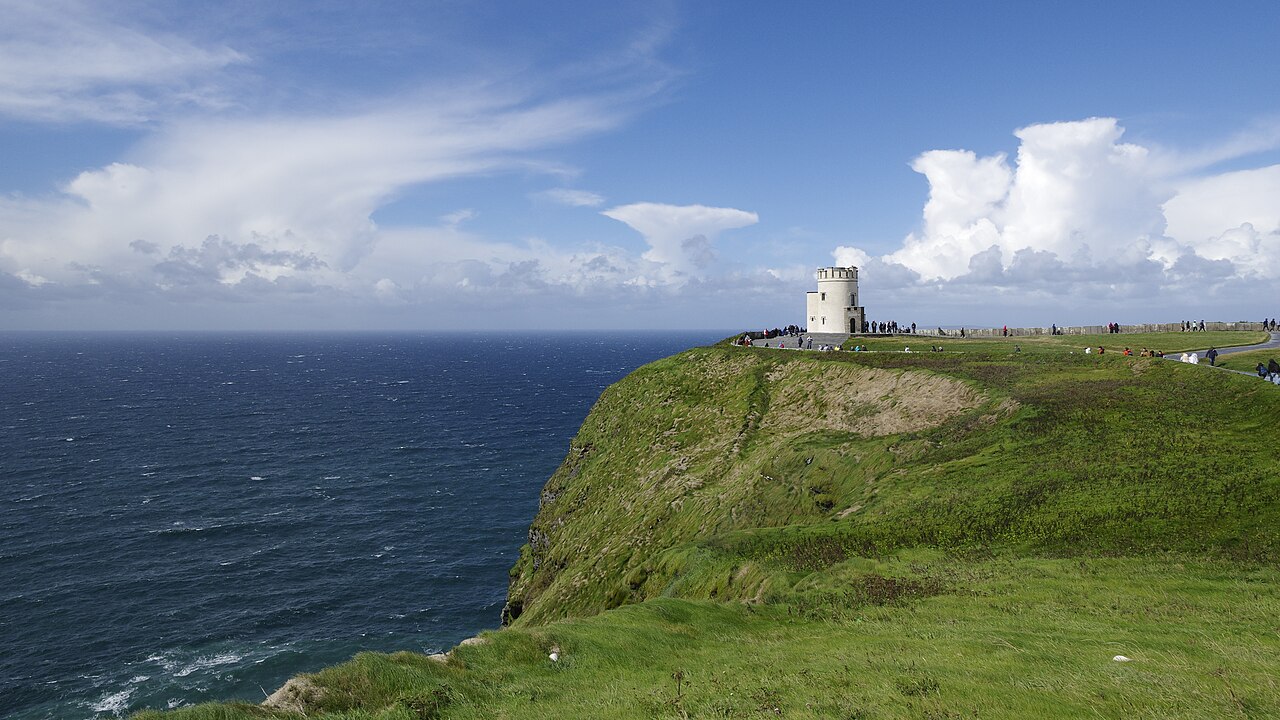
Clare
Stone remembers. Music travels.
The Burren’s deep history and the tunes passed from one musician to another.
Explore the county’s stories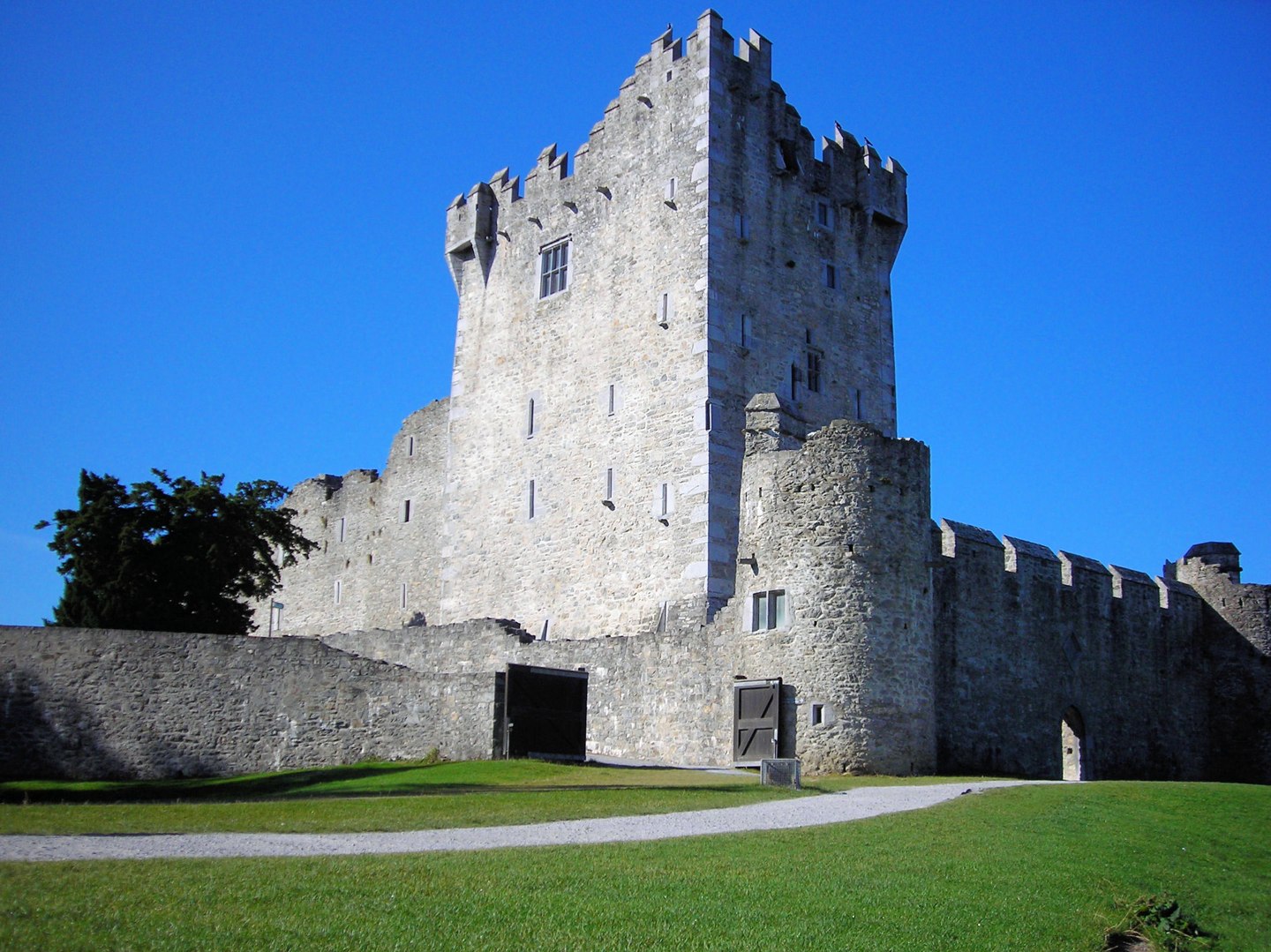
Kerry
The rider beneath the lake
Ross Castle’s legend, lakeside stories and a county shaped by football.
Explore the county’s storiesWhich places and stories would you enjoy exploring together?
Back to your notebookSources reviewed 12 October 2026. Historical accounts, living traditions and local folklore are identified in their own chapters. The county outings remain ideas to shape together.