Tradition, rhythm & a shared floor

Dancing in Ireland.
A world of rhythm.

The swing of a set, the lift of a soft shoe, the beat of a heel on a wooden floor. Ireland’s dancing has many voices, from a sociable night in town to a stage that holds the world’s attention.

Find your rhythm
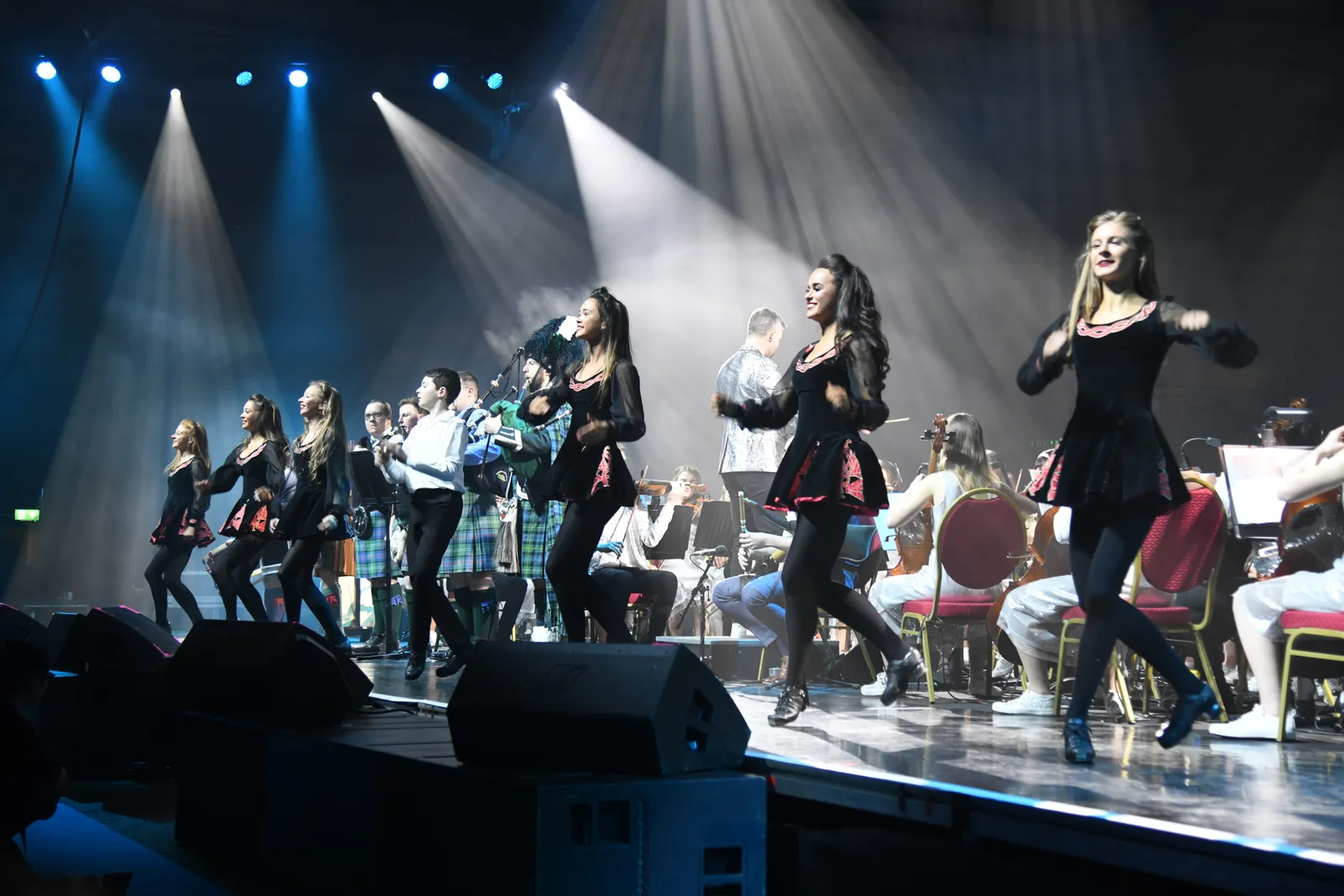
Irish dancers performing on a lit stage with musicians behind them
Irish dancers and musicians on stage in Ireland, February 2020. One expression of a tradition with many voices.Credit: Jonathan Baker (Jonjobaker)

01 · The pleasure of dancing together

A tune begins.
The room joins in.

You don’t have to be a performer to enjoy Ireland’s dance culture. Sometimes the attraction is simply the music, the company and a floor full of people having a good evening.

Patterns & partnership

Set Dancing

The Irish Dancing Group Vienna dancing the Claddagh Set together.
The Claddagh Set, danced by the Irish Dancing Group Vienna in 2007. A social tradition shared far beyond Ireland.Photo: Michael A. Zapletal · Public domain (released by the copyright holder) · Resized for display.

Usually four couples form a square and dance a sequence of figures: turning, travelling, changing places and swinging together. Rooted in the quadrilles that reached Ireland from continental Europe, the sets developed their own local character and footwork.

The pleasure is in moving as a group, with the musicians setting the pace and experienced dancers helping to keep the set flowing.

A sociable gathering

Céilí Dancing

Cumann Céilí Vín performing the Haymaker’s Jig, an Irish Céilí dance.
Cumann Céilí Vín dancing the Haymaker’s Jig in Vienna, March 2007.Photo: Michael A. Zapletal · Public domain (released by the copyright holder) · Resized for display.

A Céilí is a gathering for music and dancing; Céilí dances also have their own repertoire of group formations and figures. Lines, circles and partnered patterns bring people together in a different way from the social square sets.

Watching a well-loved dance fill a room can be as enjoyable as joining it.

Turns, energy & country music

Jiving

A couple Jiving to a street musician on High Street in Omagh.
Jiving on High Street, Omagh, County Tyrone, May 2026.Photo: Kenneth Allen · CC BY-SA 2.0 · Resized for display.

Country Jiving belongs to Ireland’s lively social dance scene, with partnered turns, spins and a driving country-music beat. It is a more recent strand of dance-floor life, alongside the older set, Céilí and step-dance traditions.

A local country night might be just the thing if we fancy a lively evening together.

02 · Look at the feet. Listen to the floor.

Lightness.
Rhythm. Precision.

Step dancing puts the footwork in the spotlight. In the familiar modern competition style, a poised upper body frames fast, intricate steps. The shoes change both the movement and the sound.

Before the spotlights

In the eighteenth and nineteenth centuries, dancing masters taught steps within local districts, with some travelling farther and exchanging ideas. Their work helped develop and pass on distinctive styles. In the early twentieth century, the Gaelic League’s gatherings and competitions gave solo and figure dancing new prominence. CLRG went on to develop formal structures for teaching, judging and championships. This is one strand of a wider history, with local social dances and older individual styles continuing alongside the competition world.

The lift

Soft shoes

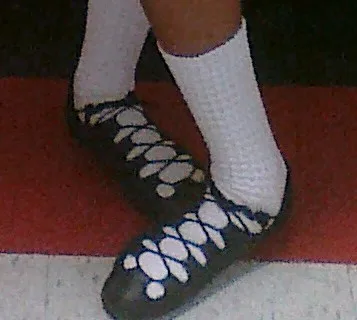
Black Irish dance ghillies worn with white poodle socks.
Soft shoes, or ghillies: flexible, close-fitting shoes for lightness and pointed footwork.Photo: ReelAngelGirl · CC BY-SA 3.0 · Resized for display.

Flexible lace-up pumps, often called ghillies, let the foot point and flex. Soft shoe dancing draws the eye to lightness, elevation and flowing lines. Reels, light jigs and slip jigs show different sides of that grace and energy.

Men and boys traditionally use a different, heeled reel shoe for their soft shoe repertoire, with heel clicks adding their own accent.
The beat

Hard shoes

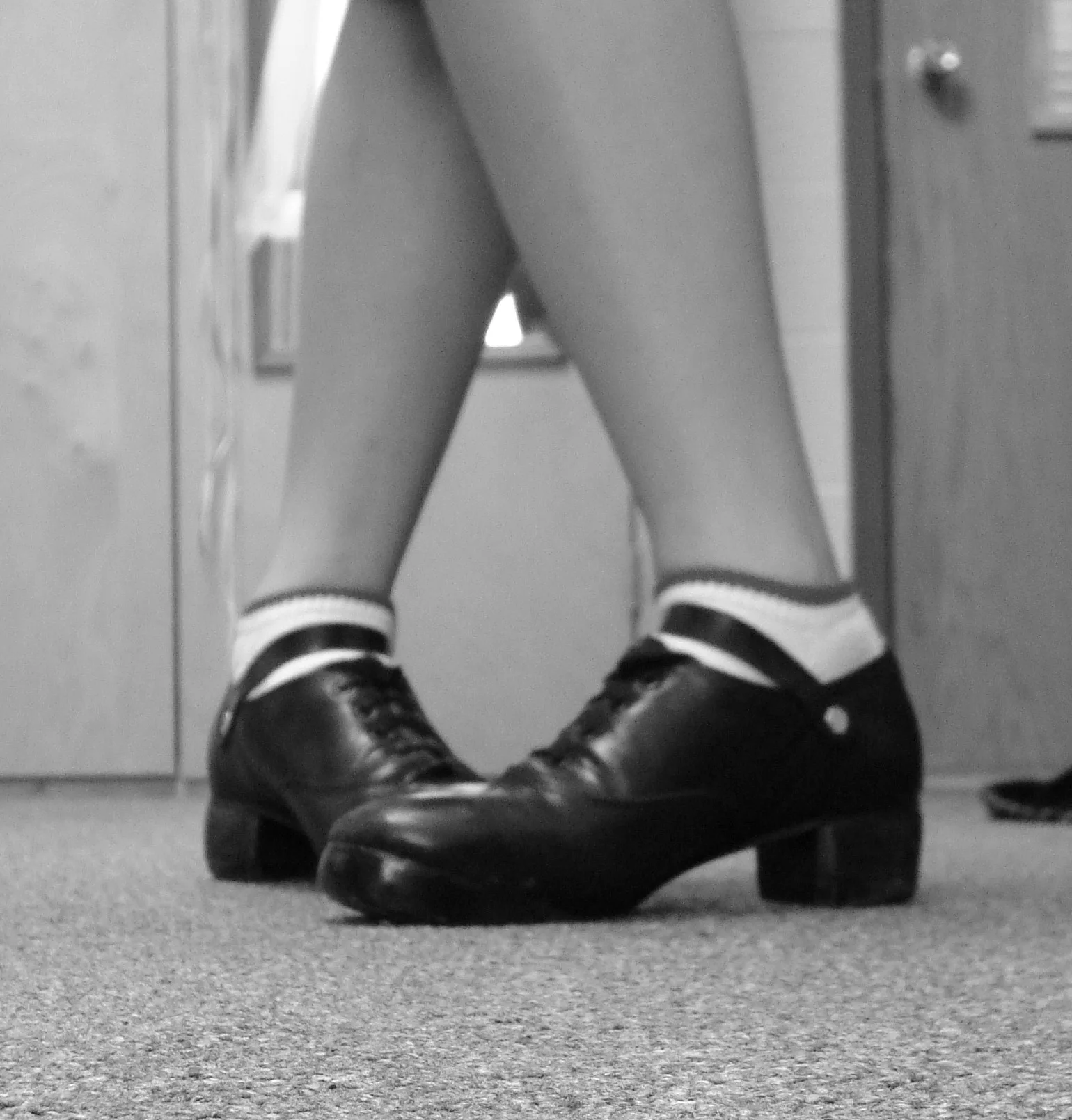
An Irish hard shoe, also known as a jig shoe.
A hard shoe: built-up tips and heels give the steps their percussive sound.Photo: Skubik · CC BY-SA 3.0 · Resized for display.

Hard shoes, also called heavy or jig shoes, turn the feet into percussion. Built-up tips and heels make the trebles, clicks and rhythmic strikes audible, giving treble jigs, hornpipes and solo set dances their distinctive attack.

A solo set dance here means a dance to a particular tune and structure; it is different from the four-couple social sets.

And then there is sean-nós.

Irish dance is wider than the competition stage. Sean-nós, meaning “old style”, is especially associated with Connemara: low to the ground, responsive to the tune and often improvised, with a relaxed body and individual rhythm. Older step-dance traditions also survive in their own local styles.

In the west, a few steps close to the musicians can tell a different story from a whole line of dancers under theatre lights.

03 · Skill, pride & a gathering of people

The All-Ireland.
The Fleadh.

Two names you’ll hear often, with different places in the story. One brings championship dancing into focus; the other gathers a much wider world of traditional music, song and dance.

The All-Ireland championships

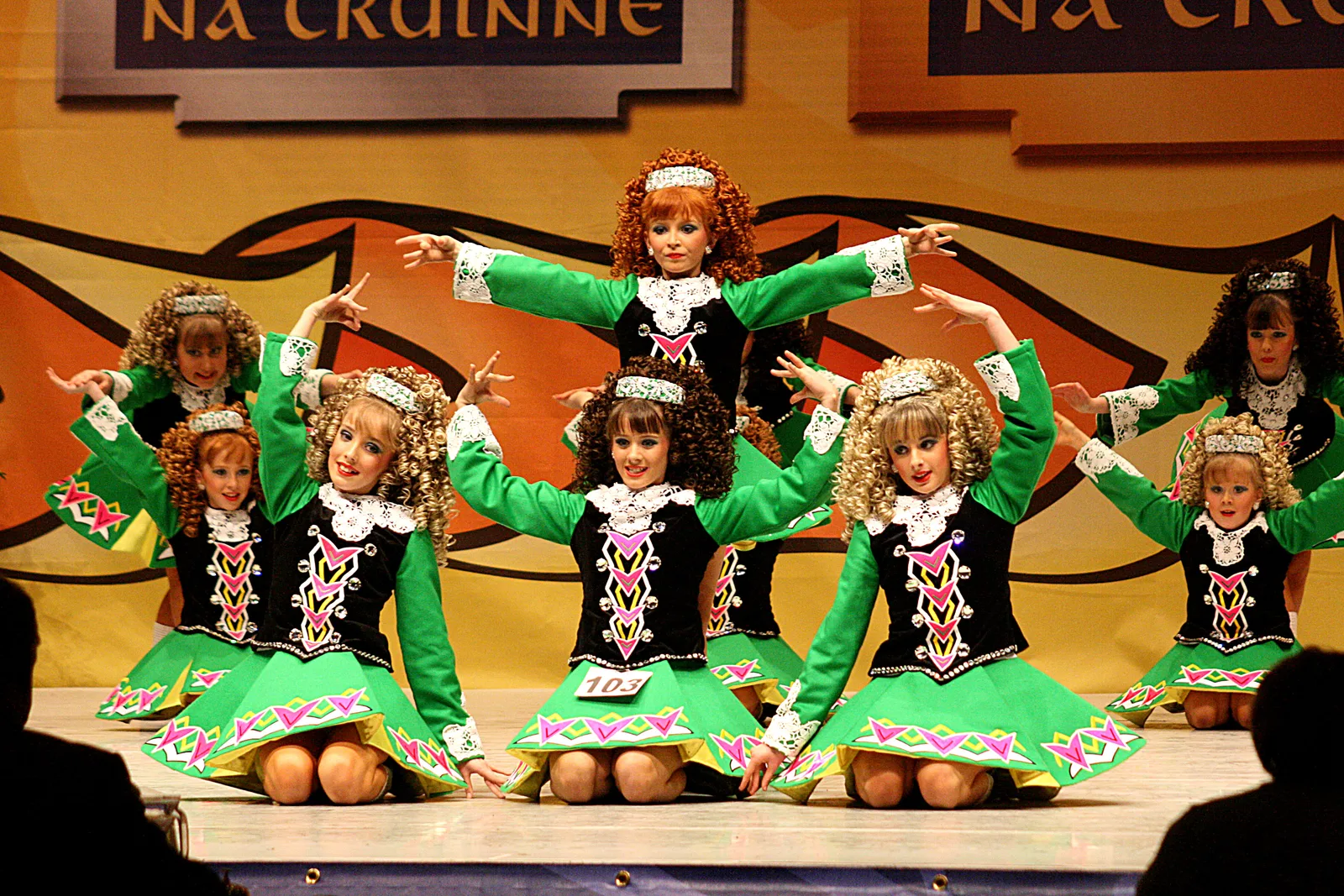
A girls’ figure dancing team at the 2010 World Irish Dancing Championships in Glasgow.
Girls’ figure dancing at the 2010 World Irish Dancing Championships in Glasgow. An archival view of championship dancing; the All-Ireland is a separate event.Photo: Eoin Gardiner · CC BY 2.0 · Resized for display.

Oireachtas Rince na hÉireann, organised by CLRG, is the All-Ireland Irish Dancing Championships. Solo and team events showcase the technique, musicality and years of practice behind competitive Irish dancing.

Irish dance has several organising bodies and competition traditions. This CLRG championship is distinct from the Fleadh and its own All-Ireland competitions.

Fleadh Cheoil na hÉireann

A traditional music session at Fleadh Cheoil in Belfast.
A music session at Fleadh Cheoil, Belfast, August 2026. The festival’s life extends beyond the competition stage.Photo: Kenneth Allen · CC BY-SA 2.0 · Resized for display.

The Comhaltas festival brings competitions together with concerts, sessions and the life of the streets. Dance has its place too: programmes include Set Dancing, Céilí Dancing and sean-nós, alongside the musicians and singers.

There is the concentration of competing, and the pleasure of hearing a tune or seeing a dance spring up beyond the formal stage. It is a celebration of traditions still being lived and shared.

04 · The exports that changed the spotlight

From Irish roots.
To the world’s stages.

Riverdance and Lord of the Dance carried Irish dance to enormous international audiences. They draw on its discipline and footwork, then reshape it through theatrical storytelling, large ensembles, spectacle and new choreography.

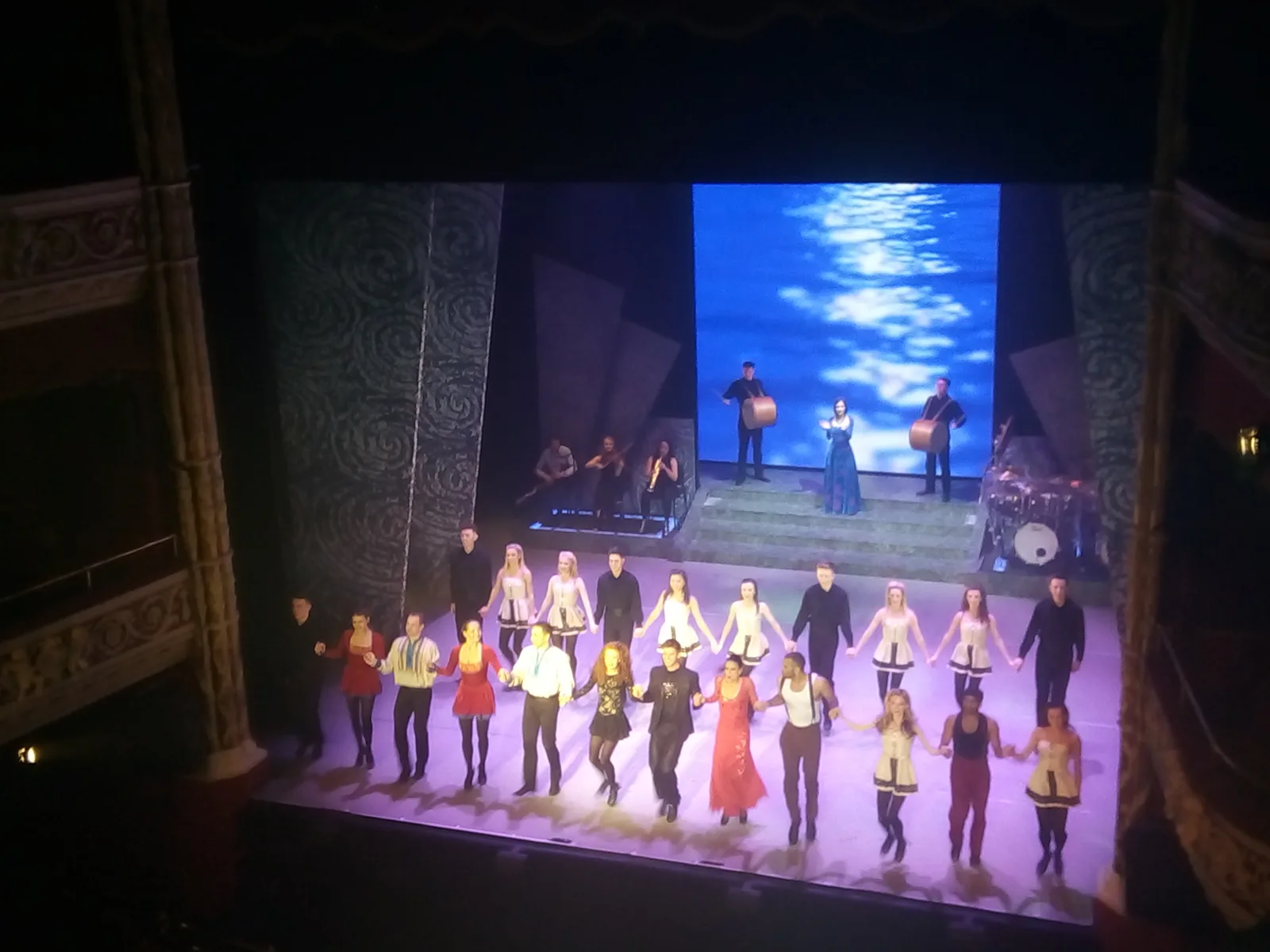
The Riverdance cast on stage at Dublin’s Gaiety Theatre in 2019.
Riverdance at the Gaiety Theatre, Dublin, September 2019. The stage show grew from the famous 1994 Eurovision interval performance.Photo: Sheila1988 · CC BY-SA 4.0 · Resized for display.
1994 / 1995

Riverdance

A seven-minute Eurovision interval performance in Dublin in 1994 became a full stage production in 1995. Bill Whelan’s music and the dancing associated with Jean Butler and Michael Flatley helped turn a television moment into an international phenomenon.

The show makes room for exchanges with other dance and musical traditions, including tap and flamenco. Irish steps become part of a broader theatrical conversation.

1996

Lord of the Dance

Michael Flatley’s Lord of the Dance opened in Dublin in 1996, building a dramatic story around Irish dance, powerful rhythms and a large company of performers. Its touring success made it another of Ireland’s best-known cultural exports.

The staging, characterisation and showmanship expand the possibilities of performance beyond the forms of a social set or a competition routine.

These productions take creative liberties with tradition while bringing extraordinary attention to Irish dance. Their impact is part of the story, alongside the dancers, teachers and communities who keep the quieter local traditions alive.

05 · The tradition keeps moving

The Gardiner Brothers.
A new stage, on your screen.

A familiar song, an unexpected setting and two pairs of feet in extraordinary conversation. Michael and Matthew Gardiner have taken Irish step dancing to new audiences through their viral videos.

From Galway to the world

Born in Denver, the brothers moved with their family to Galway in 2006 and trained at the Hession School of Irish Dance. Both became world champions and principal dancers with Riverdance, finishing their time with the show in 2024. Behind the apparent ease is a lifetime of practice.

Their online work brings that technique into a different setting. During the 2020 lockdown, they made a daily practice of creating and sharing videos from Galway, choreographing to both Irish music and modern songs. Outdoor locations, playful ideas and precision footwork became part of the appeal.

A contemporary chapter in a longer story

The footwork comes from a tradition passed through teachers, dance schools and competitions. Riverdance’s breakthrough in 1994 helped put it in a worldwide theatrical spotlight; the Gardiner Brothers bring their own experience of that stage to a camera and an online audience. Music, clothes and settings can change while the steps retain their Irish roots. Alongside those new interpretations, social dancing, sean-nós and competitive step dancing continue in their own forms.

Go back to the steps & their history

What would you enjoy?

Watch a little.
Dance if you feel like it.

We could look for a local set or Céilí night, enjoy country music and Jiving, or find a traditional dance performance that fits our county and dates. Tango can have its moment too, if we choose.

These are ideas to explore together. Festival visits, performances and dance nights depend on what is on when we travel; there are no classes or compulsory dancing in our weekend.

Shape your days & evenings Watch dance in the Irish Traditional Music Archive
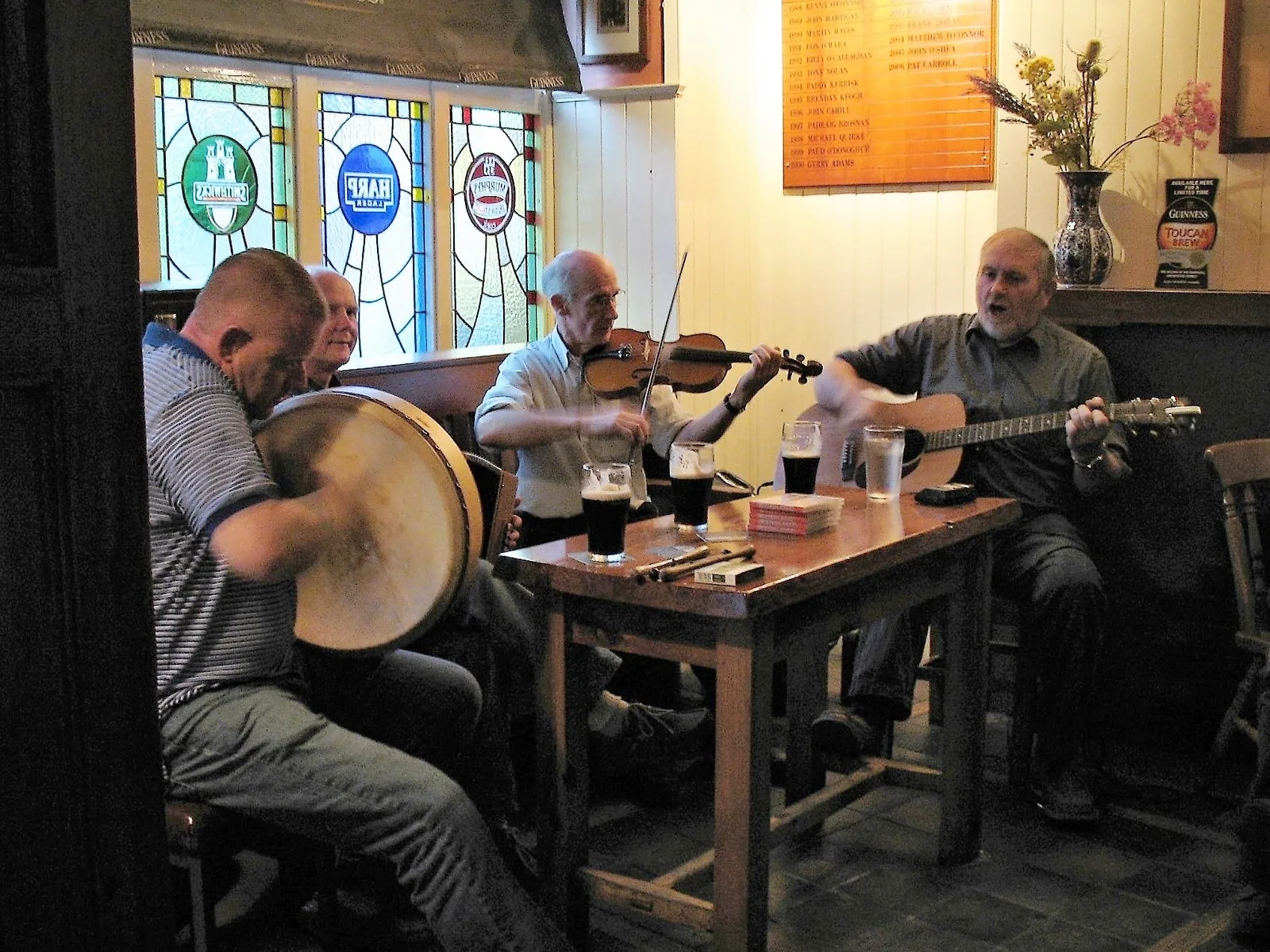
Musicians playing bodhrán, fiddle and guitar around a pub table.
Musicians at Murphys’ Bar, Killarney, in July 2006. The tunes and company are part of the wider culture around Ireland’s dance floors.Credit: Marie Čcheidzeová